How to Pressure Wash a House — DIY Steps vs Hiring a Pro (2026)
Your home's exterior takes a beating from the elements. Dirt, mildew, algae, pollen, and grime accumulate on siding, decks, driveways, and walkways, making even a well-maintained home look tired and neglected. Pressure washing can restore your home's curb appeal in just a few hours - but it's not as simple as pointing a high-powered hose at your house and pulling the trigger.
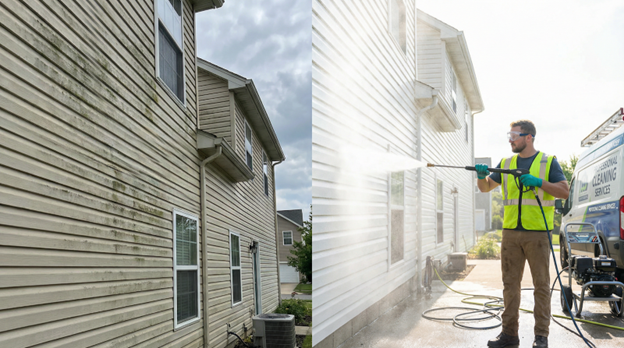

Done correctly, pressure washing can make your home look brand new. Done incorrectly, it can cause thousands of dollars in damage, from shattered windows and gouged siding to water intrusion and ruined paint. The question isn't just "Can I pressure wash my house myself?" - it's "Should I?"
In this comprehensive guide, we'll walk you through everything you need to know about pressure washing your home, including step-by-step DIY instructions, common mistakes to avoid, and - most importantly - how to recognize when it's time to call in a professional. Because while pressure washing might look easy on YouTube, the reality is that most homeowners are better off hiring experienced professionals who have the right equipment, training, and insurance to do the job safely and effectively.
Ready to get your home sparkling clean without the risk? Find professional pressure washing services near you on HomeIndex and get free quotes from qualified professionals in your area.
What Is Pressure Washing? (And Why It Matters for Your Home)
Pressure washing (also called power washing) uses high-pressure water spray to remove dirt, grime, mold, mildew, loose paint, and other contaminants from exterior surfaces. Professional-grade pressure washers can deliver water at pressures ranging from 1,500 to 4,000+ PSI (pounds per square inch) - powerful enough to strip paint, etch concrete, and even cut through skin.
Why Regular Pressure Washing Is Important
According to the Vinyl Siding Institute, regular exterior cleaning:
-
Prevents damage: Mold, mildew, and algae can deteriorate siding and paint
-
Extends material life: Removing contaminants prevents premature aging
-
Maintains home value: Clean exteriors significantly boost curb appeal
-
Prepares for painting: Essential prep work before exterior painting projects
-
Improves health: Removes allergens, mold spores, and pollutants
Most homes benefit from pressure washing every 1-3 years, depending on climate, surrounding vegetation, and environmental factors.
The Hidden Risks of DIY Pressure Washing
Before you rent a pressure washer from your local hardware store, understand the risks:
-
Property damage: Incorrect pressure or technique can damage siding, windows, trim, and roofing
-
Water intrusion: Forcing water behind siding causes mold, rot, and structural damage
-
Personal injury: High-pressure water can cause serious injuries, including lacerations
-
Ladder accidents: Working on ladders with heavy equipment increases fall risk
-
Environmental concerns: Improper chemical use and runoff can harm landscaping and violate regulations
-
Voided warranties: Some siding manufacturers void warranties if homeowners pressure-wash improperly
According to Consumer Reports, pressure washing-related injuries send thousands of people to emergency rooms each year, and property damage claims from DIY pressure washing are increasingly common.
Pro Tip: Before attempting DIY pressure washing, check your homeowner's insurance policy. Many policies don't cover damage caused by pressure washing, and some siding warranties are voided if homeowners use excessive pressure or improper techniques.
DIY Pressure Washing: Step-by-Step Guide (If You Decide to Do It Yourself)
If you're determined to pressure wash your home yourself, follow these steps carefully to minimize risk:
Step 1: Choose the Right Equipment
Not all pressure washers are created equal. You'll need:
Pressure Washer Type:
-
Electric (1,300-2,000 PSI): Good for decks, patios, and light cleaning; safer for beginners
-
Gas-powered (2,000-4,000+ PSI): More powerful but also more dangerous; requires experience
Essential Accessories:
-
Variable pressure nozzles: Color-coded tips for different surfaces (red = highest pressure, black = lowest)
-
Extension wand: Reaches second stories without ladders
-
Surface cleaner attachment: For driveways and large flat areas
-
Safety gear: Goggles, gloves, closed-toe shoes, long pants
Cleaning Solutions:
-
Mildew remover: For organic growth on siding
-
Degreaser: For oil stains on driveways
-
Deck cleaner: Specialized formulas for wood surfaces
Cost: Renting a pressure washer costs $50-$100/day, plus cleaning solutions and accessories. Purchasing a residential unit costs $200-$600.
Step 2: Prepare Your Home and Property
Proper preparation prevents damage:
-
Close all windows and doors to prevent water intrusion
-
Cover electrical outlets, light fixtures, and vents with plastic and tape
-
Move outdoor furniture, plants, and decorations away from the house
-
Wet down landscaping to protect plants from cleaning chemicals
-
Inspect siding for damage: Repair loose or damaged sections before washing
-
Test water pressure on an inconspicuous area first
Step 3: Apply Cleaning Solution
For best results, apply cleaning solution before pressure washing:
-
Mix cleaning solution according to manufacturer's instructions
-
Apply from bottom to top using a low-pressure nozzle or garden sprayer
-
Let solution dwell for 5-10 minutes (don't let it dry)
-
Avoid direct sunlight: Work in shade or on cloudy days when possible
Step 4: Pressure Wash Your Home
Use proper technique to avoid damage:
Correct Technique:
-
Start with lowest pressure and increase only if needed
-
Use wide-angle nozzle (40° white or 25° green) for siding—never red (0°) or yellow (15°)
-
Maintain 12-18 inch distance from surfaces
-
Spray at downward angle to prevent water from getting behind siding
-
Work from top to bottom in overlapping horizontal strokes
-
Keep the nozzle moving: Never hold in one spot
Step 5: Rinse Thoroughly
After washing:
-
Rinse from top to bottom with clean water
-
Remove all cleaning solution residue
-
Rinse landscaping to remove any chemical overspray
-
Inspect for missed spots and re-clean if necessary
Step 6: Post-Washing Care
-
Allow surfaces to dry completely (24-48 hours) before painting or sealing
-
Inspect for damage caused during washing
-
Remove protective coverings from outlets and fixtures
-
Clean and store equipment properly
Pro Tip: If you're pressure washing in preparation for painting, wait at least 48-72 hours before applying primer or paint. Trapped moisture under fresh paint causes peeling, bubbling, and premature failure.
The 8 Most Common DIY Pressure Washing Mistakes (And How to Avoid Them)
Even experienced DIYers make these costly errors:
1. Using Too Much Pressure
The mistake: Cranking the pressure to maximum, thinking "more power = better cleaning."
The damage: Gouged siding, stripped paint, shattered windows, damaged wood, and water forced behind exterior materials causing rot and mold.
The fix: Start with the lowest effective pressure and increase gradually only if needed. Most residential siding requires only 1,300-1,600 PSI.
2. Spraying Upward on Siding
The mistake: Spraying up under siding edges to "get it really clean."
The damage: Water forced behind siding leads to mold growth, insulation damage, and structural rot - problems that can cost thousands to repair.
The fix: Always spray downward at a 45° angle, never upward under siding edges.
3. Holding the Nozzle Too Close
The mistake: Getting within a few inches of the surface for "maximum cleaning power."
The damage: Surface damage, etching, and material removal that can't be repaired.
The fix: Maintain 12-18 inches distance from surfaces at all times.
4. Using the Wrong Nozzle
The mistake: Using red (0°) or yellow (15°) nozzles on siding, thinking they'll clean better.
The damage: These concentrated streams can cut through siding, strip paint, and cause permanent damage.
The fix: Use only white (40°) or green (25°) nozzles on home exteriors. Save narrow nozzles for concrete and driveways.
5. Ignoring Safety Precautions
The mistake: Pressure washing in shorts and sandals, without eye protection.
The damage: Serious injuries from high-pressure water, flying debris, or chemical exposure.
The fix: Always wear safety goggles, closed-toe shoes, long pants, and gloves. Never point the nozzle at people or pets.
6. Pressure Washing Damaged Surfaces
The mistake: Washing siding with existing cracks, loose sections, or damaged areas.
The damage: Water intrusion through damaged areas causes extensive hidden damage.
The fix: Inspect and repair all damage before pressure washing. If extensive repairs are needed, hire a professional.
7. Neglecting Proper Chemical Handling
The mistake: Using household bleach or harsh chemicals without proper dilution or protection.
The damage: Killed landscaping, environmental violations, and chemical burns.
The fix: Use only pressure washer-safe cleaning solutions, follow dilution instructions, and protect plants and waterways.
8. Attempting Multi-Story Homes Without Proper Equipment
The mistake: Using ladders while operating a pressure washer on two-story homes.
The damage: Falls are the leading cause of pressure washing injuries, and working from ladders with heavy equipment dramatically increases risk.
The fix: For multi-story homes, hire professionals with proper lift equipment and safety training.
When to Hire a Professional Pressure Washing Company (The Smart Choice)
While DIY pressure washing might seem like a money-saving option, there are many situations where hiring professionals is not just the better choice - it's the only safe choice.
You Should Hire a Professional If:
1. Your Home Is Two Stories or Higher
Working on ladders with pressure washing equipment is extremely dangerous. Professional pressure washers have:
-
Lift equipment and scaffolding for safe access to high areas
-
Extended wands and attachments that reach second stories from the ground
-
Safety training and fall protection equipment
-
Insurance coverage for accidents and injuries
HomeIndex connects you with licensed, insured pressure washing professionals who have the equipment and training to safely clean multi-story homes.
2. You Have Delicate or Specialty Siding
Some materials require expert knowledge:
-
Cedar shakes: Require low pressure and specialized wood cleaners
-
Stucco: Can be damaged by high pressure or improper technique
-
Historic materials: Need gentle cleaning to preserve integrity
-
Painted surfaces: Require careful pressure to avoid stripping paint
Professional pressure washers understand material-specific requirements and adjust their approach accordingly.
3. Your Home Has Significant Mold or Mildew
Heavy biological growth requires:
-
Professional-grade cleaning solutions not available to consumers
-
Proper application techniques to kill growth at the root
-
Knowledge of when pressure washing alone isn't enough
-
Understanding of health and environmental regulations
According to the CDC, extensive mold growth may indicate underlying moisture problems that need professional assessment before cleaning.
4. You're Preparing for Exterior Painting
Painters often require professional pressure washing before painting because:
-
Improper washing damages paint adhesion
-
Insufficient cleaning causes paint failure
-
Proper drying time is critical for paint bonding
-
Professional cleaning comes with guarantees
Many painting contractors won't warranty their work if homeowners pressure wash themselves. Find professional painters on HomeIndex who can coordinate pressure washing and painting for optimal results.
5. You Have Concrete or Masonry That Needs Restoration
Driveways, patios, and walkways often need:
-
High-pressure equipment (3,000+ PSI) beyond residential capacity
-
Surface cleaners for even, professional results
-
Sealing services after cleaning to protect surfaces
-
Stain removal expertise for oil, rust, and other tough stains
6. You Don't Have Time or Physical Ability
Pressure washing an entire house takes 4-8 hours for experienced DIYers, longer for beginners. It's also physically demanding work requiring:
-
Standing for extended periods
-
Reaching high and low areas
-
Handling heavy equipment
-
Working in various weather conditions
If you have physical limitations, time constraints, or simply prefer to spend your weekend doing something else, hiring professionals makes perfect sense.
7. You Want Guaranteed Results Without Risk
Professional pressure washing companies offer:
-
Experience: They've cleaned thousands of homes and know what works
-
Proper equipment: Commercial-grade washers and specialized attachments
-
Insurance: Coverage for property damage and injuries
-
Guarantees: Most guarantee their work and will return if you're not satisfied
-
Efficiency: Complete in hours what might take you days
Pro Tip: Get quotes from at least three pressure washing professionals on HomeIndex. Compare not just price, but also insurance coverage, experience with your specific siding type, and customer reviews. The cheapest option isn't always the best value.
What Professional Pressure Washing Includes (And Why It's Worth It)
When you hire a professional through HomeIndex, here's what you get:
Comprehensive Service Package
Pre-Cleaning Assessment:
-
Inspection of siding condition and potential problem areas
-
Identification of repairs needed before washing
-
Customized cleaning plan based on your home's specific needs
-
Discussion of any concerns or special requests
Professional-Grade Equipment:
-
Commercial pressure washers with precise pressure control
-
Multiple nozzle types for different surfaces
-
Surface cleaners for even concrete cleaning
-
Lift equipment or extension wands for safe high-area access
Proper Cleaning Solutions:
-
Professional-grade, eco-friendly cleaning products
-
Mildewcides that kill growth at the root
-
Specialized solutions for different stain types
-
Proper dilution and application techniques
Expert Technique:
-
Correct pressure settings for each surface type
-
Proper spray angles to prevent water intrusion
-
Systematic approach that ensures complete coverage
-
Attention to detail around windows, doors, and trim
Post-Cleaning Services:
-
Thorough rinse to remove all chemical residue
-
Cleanup of debris and runoff
-
Final inspection to ensure quality results
-
Recommendations for ongoing maintenance
Safety and Insurance Protection
Professional pressure washing companies provide:
-
General liability insurance: Covers property damage
-
Workers' compensation: Protects you from injury liability
-
Bonding: Guarantees work completion
-
Safety equipment and training: Reduces accident risk
When you hire through Home Index, you can compare contractor quotes side-by-side and review each contractor's submitted license and insurance information on their profile — verification you can confirm yourself before signing anything.
Time and Convenience
Professional pressure washing is fast:
-
Average home (1,500-2,500 sq ft): 2-4 hours
-
Large home (3,000+ sq ft): 4-6 hours
-
Additional services (deck, driveway, patio): 1-3 hours each
Compare this to DIY, which typically takes 8-12 hours spread over a full weekend, plus equipment rental time and cleanup.
Cost-Effectiveness
While professional pressure washing costs more upfront, consider:
DIY Costs:
-
Equipment rental: $50-$100/day
-
Cleaning solutions: $30-$75
-
Safety gear: $50-$100
-
Your time: 8-12 hours
-
Risk of damage: Potentially thousands in repairs
Professional Costs:
-
Average home: $300-$600
-
Large home: $600-$1,000
-
Additional surfaces: $100-$300 each
The difference: $200-$400 for guaranteed results, no risk, and your entire weekend back.
How to Find the Best Pressure Washing Professional on HomeIndex
HomeIndex makes it easy to find, compare, and hire qualified pressure washing professionals in your area. Here's how:
Step 1: Post Your Project
Describe your pressure washing needs:
-
Home size and type: Square footage and siding material
-
Surfaces to clean: House, deck, driveway, patio, walkways
-
Specific concerns: Mold, stains, preparation for painting
-
Timeline: When you'd like the work completed
Step 2: Receive Multiple Quotes
Qualified pressure washing professionals in your area will:
-
Review your project details
-
Provide detailed quotes with itemized pricing
-
Explain their approach and timeline
-
Answer your questions directly through the platform
Step 3: Compare Professionals
Review each professional's:
-
Customer reviews and ratings from previous HomeIndex clients
-
Experience and specializations: Years in business, types of projects
-
Insurance and licensing: Verified credentials
-
Portfolio photos: Examples of their work
-
Response time and communication: How quickly and professionally they respond
Step 4: Choose and Schedule
Select the professional that best fits your needs based on:
-
Value (not just lowest price)
-
Experience with your specific siding type
-
Availability that matches your timeline
-
Communication style and professionalism
Step 5: Enjoy Professional Results
Your chosen professional will:
-
Arrive on time with all necessary equipment
-
Complete the work according to agreed specifications
-
Clean up thoroughly when finished
-
Request your review to help other homeowners
Ready to get started? Find professional pressure washing services near you on HomeIndex and receive free quotes from qualified professionals today. Whether you're in Charleston, SC or anywhere else, HomeIndex connects you with experienced professionals who deliver exceptional results.
Pro Tip: Schedule pressure washing during spring or fall when temperatures are moderate and there's less chance of rain. Avoid scheduling during extreme heat (cleaning solutions dry too quickly) or freezing temperatures (water can freeze in equipment and on surfaces).
Frequently Asked Questions
Can I pressure wash my house myself, or should I hire a professional?
You can pressure wash your house yourself if it's single-story, you have the right equipment and safety gear, and you're comfortable working with powerful machinery. However, most homeowners are better off hiring professionals for multi-story homes, delicate siding materials, or when preparing for painting. Professionals have better equipment, proper insurance, and expertise that prevents costly damage.
How often should I pressure wash my house?
Most homes benefit from pressure washing every 1-3 years, depending on climate, surrounding vegetation, and environmental factors. Homes in humid climates or with heavy tree coverage may need annual cleaning, while homes in dry climates with minimal vegetation can go 3-5 years between washings.
What's the difference between pressure washing and soft washing?
Pressure washing uses high-pressure water (1,500-4,000+ PSI) to remove dirt and grime through force. Soft washing uses low pressure (under 500 PSI) combined with specialized cleaning solutions to kill mold, mildew, and algae chemically rather than mechanically. Soft washing is safer for delicate surfaces like vinyl siding, painted wood, and roofs.
Can pressure washing damage my home?
Yes, improper pressure washing can cause significant damage, including gouged siding, stripped paint, shattered windows, water intrusion behind siding, and damaged wood. Using correct pressure settings, proper technique, and appropriate nozzles minimizes risk. This is why many homeowners choose to hire professionals who have experience preventing damage.
How much does professional pressure washing cost?
Professional pressure washing typically costs $300-$600 for an average-sized home (1,500-2,500 sq ft), with larger homes costing $600-$1,000+. Additional surfaces like driveways, decks, and patios cost $100-$400 each. While this is more expensive than DIY, it includes insurance protection, professional equipment, and guaranteed results without risk of damage.
Should I pressure wash before painting my house?
Yes, pressure washing is essential preparation before exterior painting. It removes dirt, mildew, and loose paint that would prevent proper paint adhesion. However, improper pressure washing can damage surfaces and affect paint bonding, which is why many painting contractors require professional pressure washing or include it in their service packages.
How do I find a reliable pressure washing professional?
Use HomeIndex to find verified, insured pressure washing professionals in your area. Compare multiple quotes, read customer reviews, verify insurance coverage, and ask about experience with your specific siding type. Choose based on value and expertise, not just the lowest price.
The Bottom Line: When Professional Help Is Worth It
While DIY pressure washing is possible for single-story homes with straightforward siding, the risks often outweigh the savings. Professional pressure washing offers:
-
Safety: No ladder accidents or high-pressure injuries
-
Quality results: Even cleaning without damage or streaks
-
Time savings: Your weekend back for things you enjoy
-
Insurance protection: Coverage if something goes wrong
-
Peace of mind: Confidence that the job is done right
For most homeowners, spending $300-$600 for professional pressure washing is a smart investment that protects your home, saves time, and eliminates risk.
Key takeaways:
-
DIY is risky: Improper technique causes thousands in damage
-
Multi-story homes need professionals: Ladder work with pressure washers is dangerous
-
Delicate materials require expertise: Vinyl, wood, and stucco need specialized approaches
-
Professional equipment matters: Commercial washers deliver better results
-
Insurance protection is essential: Damage happens, even to professionals
Ready to restore your home's curb appeal safely and professionally? Get free quotes from verified pressure washing professionals on HomeIndex today. Whether you need house washing, driveway cleaning, deck restoration, or complete exterior cleaning, HomeIndex connects you with experienced professionals who deliver exceptional results.
Know the price. Know your home.
Home Index tracks your systems, estimates replacement costs, and keeps the permanent record of your home. Free to start.
Track my home →